Inspiration Behind Jessie’s Journey
Jessie’s character was inspired by my early childhood, growing up with mostly boys in the neighborhood and not really having a girlfriend.
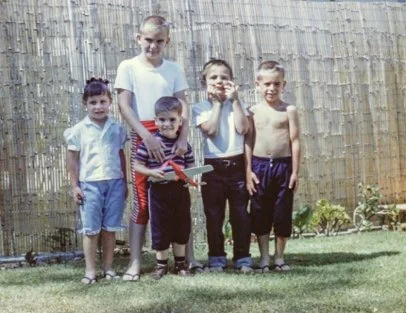
Though I was very much a little girl, I often found myself following my brother and his friends: playing cowboys, exploring local flood drainage pipes, playing Marco Polo and always getting caught, and tagging along to the county fairs.
My favorite musical My Fair Lady, was released in 1964 with Audrey Hepburn and Rex Harrison. As Jessie’s story starts, we find her at Ascot’s reopening day after World War One.
Though My Fair Lady was set between 1912-13 before the war with a very strict social structure, after the war it still predominated during Ascot Week and made a perfect contrast to Jessie’s American western manners. In my late teens and early twenties, the ERA (Equal Rights Amendment, which regrettably never passed) was introduced, and women became vocally active for the demand of equal right in pay and place in society. Jessie’s character is the essence of every woman’s desire to be uninhibited and do just as they desire after being raised in a male dominated home.
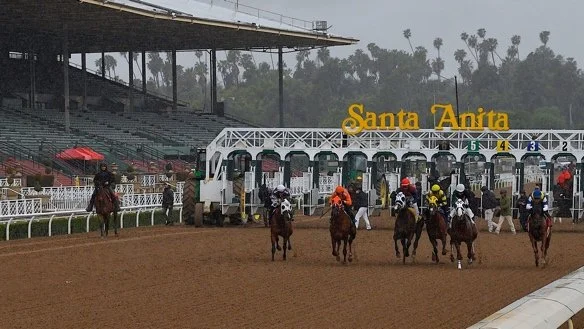
Santa Anita Racetrack, Arcadia, California
The other influence for Jessie’s story is my growing up close to Santa Anita Racetrack in Arcadia, California. By the time I was twelve, my girl scout troop often attended early morning workouts for the race horses, and were able to wander through the stables. (no longer allowed). This furthered my love of horses and having my own in my late teens. I also learned to drive a stick shift in Santa Anita’s massive parking lot.
Santa Anita Racetrack wasn’t built until 1934 but there were several horse tracks throughout the United States. The oldest being Pleasanton in Alameda California, built in 1858. It was a good setting for Jessie’s return home as she looks for Western Pride. Pleasanton wasn’t the big track at the time, rather Tanforan near San Francisco was the leading track for horse racing in California.
Research Trip
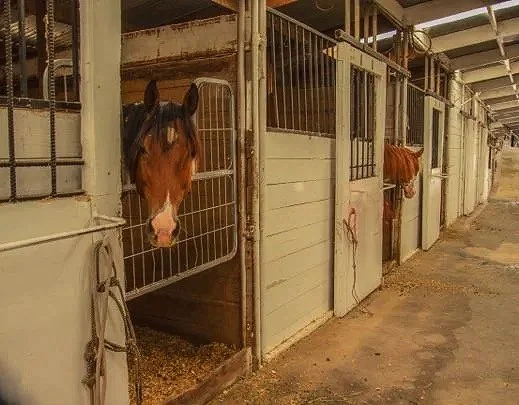
In September of 2025 as I wrote Jessie’s story, I went to the Pleasanton Racetrack. The track had become part of the Alameda County Fair in 1912, finally dropping the Pleasanton name in 1941. It had been the longest running horse track until its closing in March of 2025. Fortunately, nothing had been demolished, unlike the Tanforan track (dismantled in 1964) and we were able to sneak a few photos of the Pleasanton track and stands.
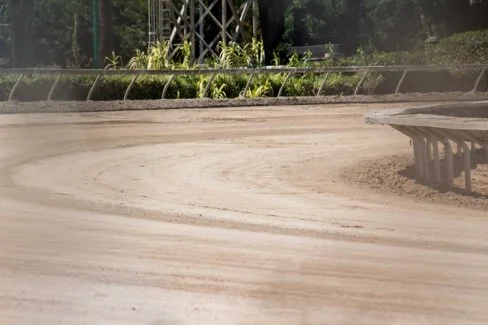
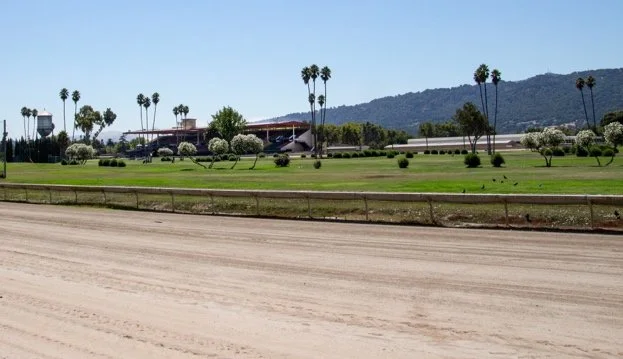
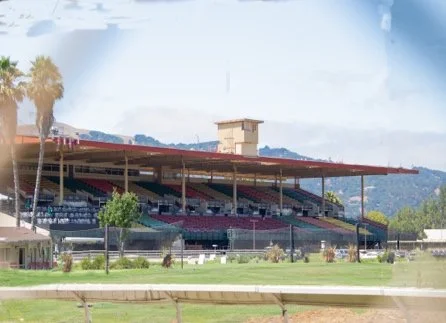
Tranforan Racetrack, San Bruno, California
The old Tanforan Track located in San Bruno just south of San Francisco would have been where the major racing occurred in 1921. Prohibition prevented gambling from 1908 to 1910 forcing all 300 tracks across the country to close. Only 25 survived and reopened when new betting and racing regulations were established in 1920, Tanforan and Pleasanton being two of them.
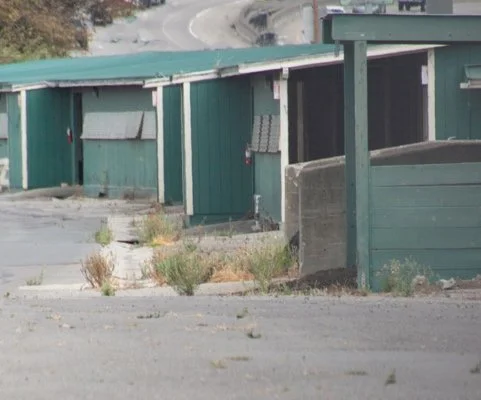
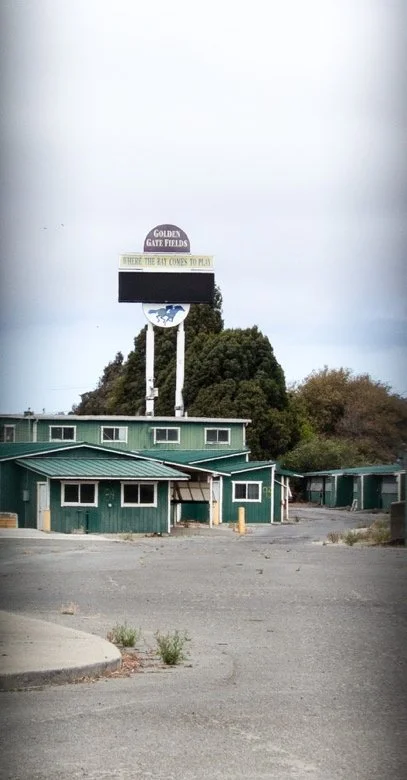
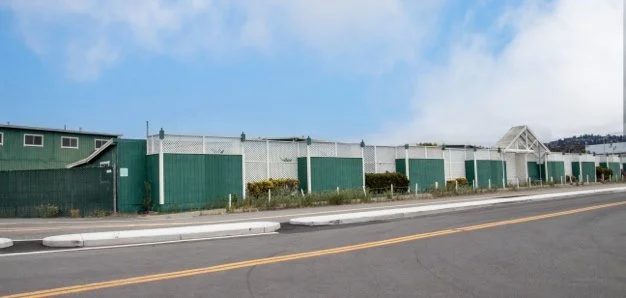
Golden State Racetrack, Berkeley, California
On our September 2025 trip, though Tanforan was gone, Golden State Racetrack across the bay, in north Berkeley, was still standing. Built in the same format as Tanforan, its stables represent the old style of Tanforan. We stopped again to sneak photos through the fence to get a feel of what Tanforan would have been like in 1922.
Golden State also recently closed in 2024, when the Stronach Group of California made the decision to close all major northern horse racing tracks, leaving only Santa Anita and Del Mar Thoroughbred Track, in Oceanside, operating. Though Golden State and Pleasanton are closed you still can sneak a glimpse into what it would have been like seeing horses being lead from the stables to the track and then pounding around the first curve striving for the lead in the back stretch.
Exploring California Stables
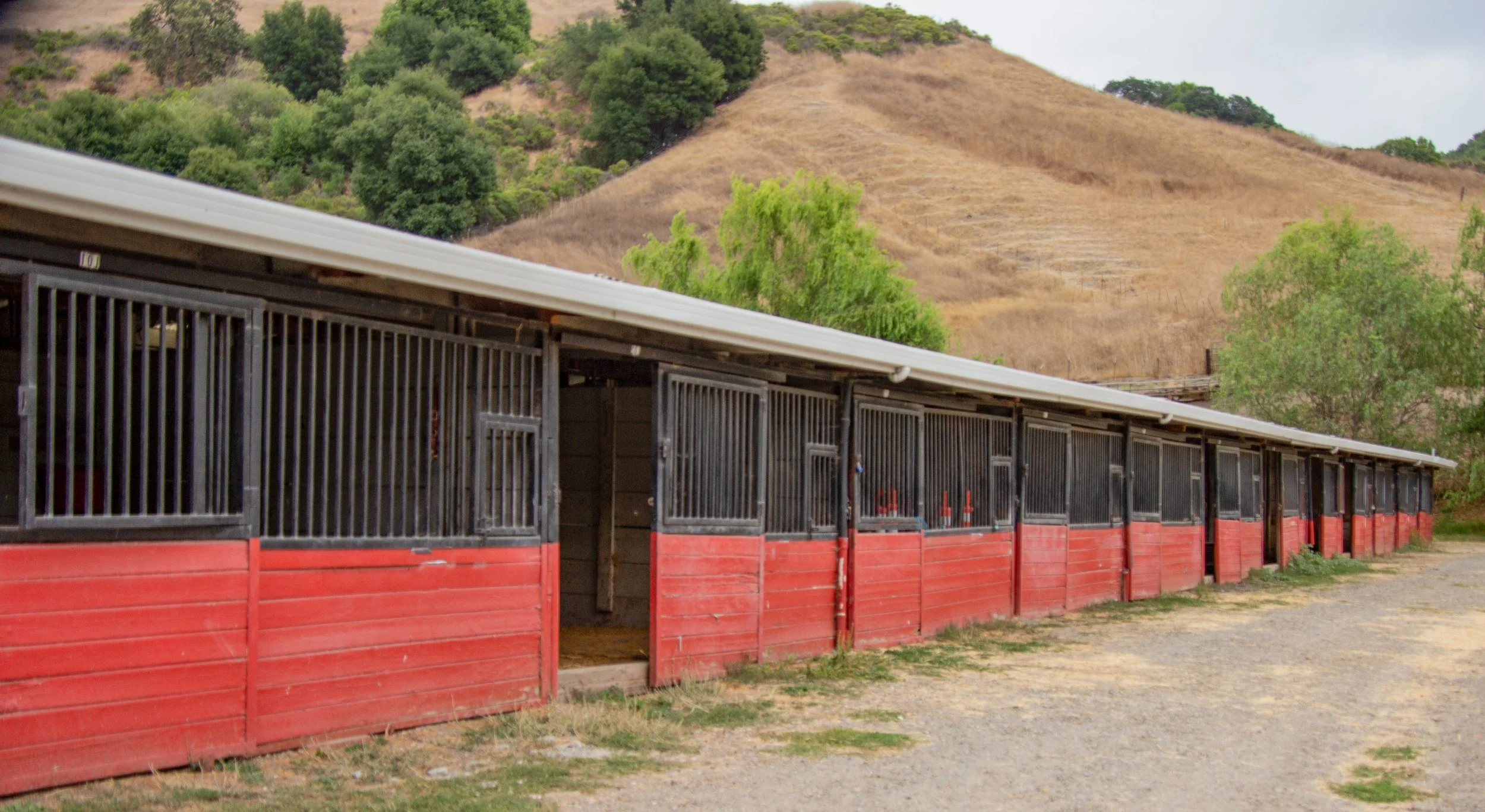
While in the area, we also spotted a private barn in the hills near San Francisco that represented my view of the barn where Western Pride would have been hidden. The owner graciously allowed us to take pictures.
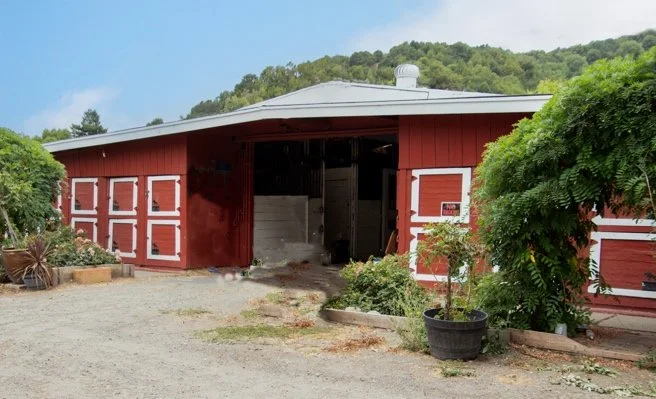
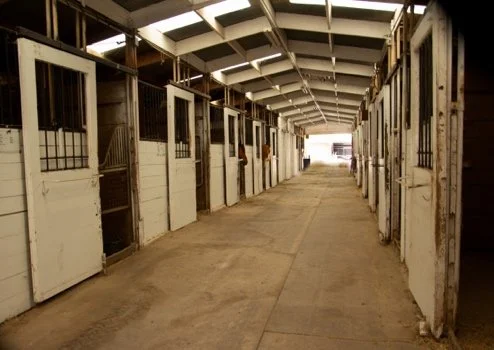
Private Stables, Sierra Nevada Mountains, California
Exploring the Sierra Nevada Mountains
Jessie finally takes Jake to see where she grew up in the foothills along the Sierra Nevada Mountain east of Sacramento. Pineville is a fictional town inspired by my childhood visit to the old town of Placerville California. On our recent trip, we stopped and snapped some photos of what Placerville looks like today. In the original part of town, the main street still leads down to the old bell tower. Many of the old building are still standing along with the old Empire Theater that is still operating.
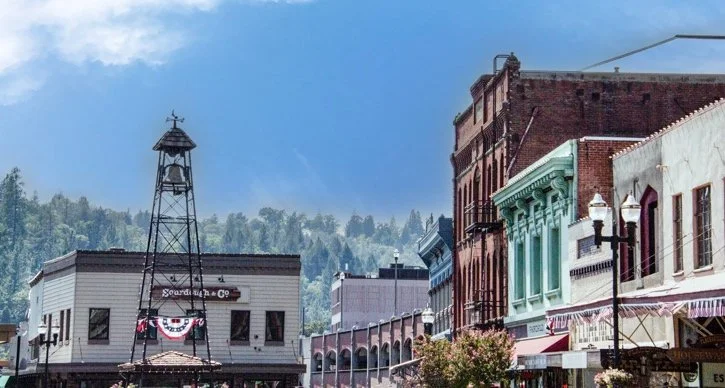
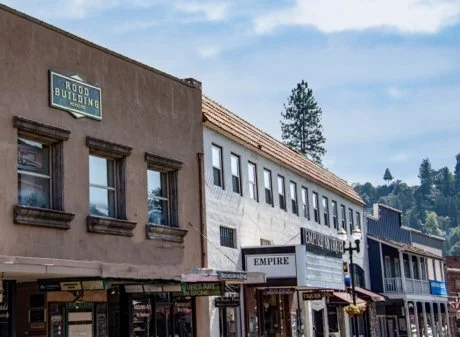
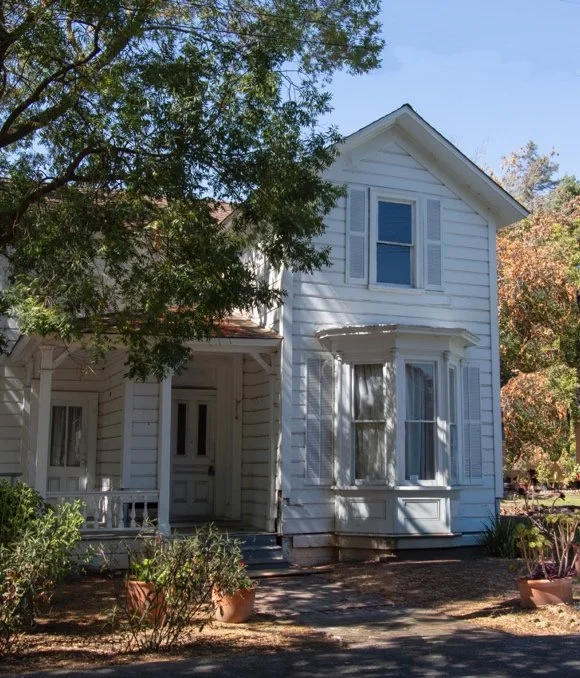
Old Town Placerville, California
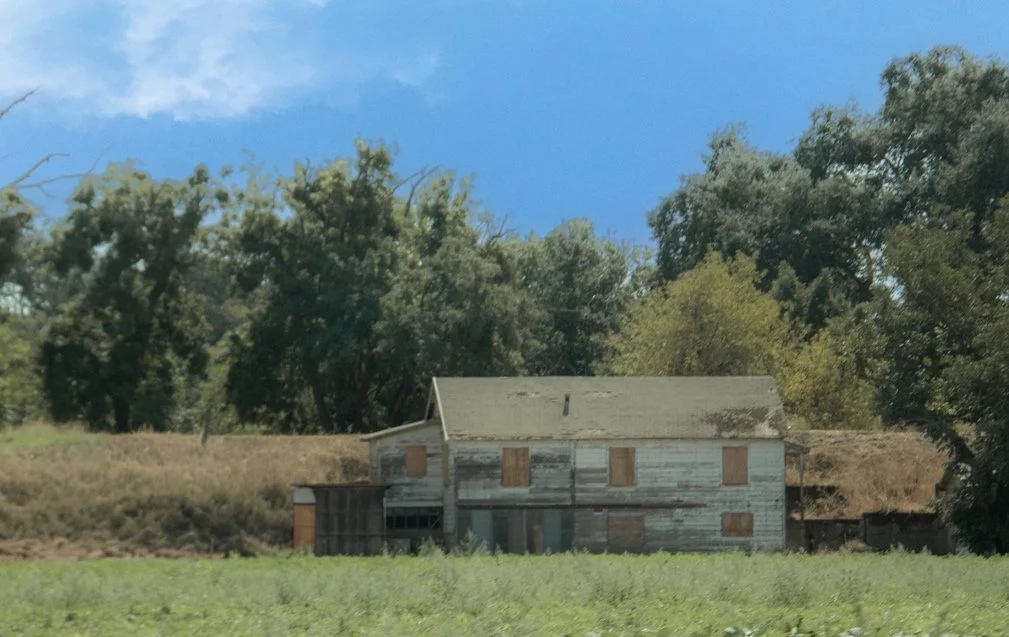
Just outside of town was the valley where Jessie, Katherine and Morgan lived. Although she is eager to see Katherine’s old home, where she had spent much time when she was young, Jessie has no attachment to the old rundown house she lived in with Gramps, a gambler and card cheat. I chose not to make Jessie addicted to gambling but only a good social player. Growing up by Santa Anita Track at the end of a race day men would be sitting on the curb thumbing a ride, having lost everything. I choose not to glamorize the addiction and only show how one can lose. When Jessie tries to gain money, she only is cheated, but when she plays for fun, she wins.
During Jessie’s visit with Katherine, she tells the story of being trapped in a mine during her childhood. Again, this story was inspired by the many mines found throughout the foothills. We visited the Gold Bug Mine that was active in the time of Jessie childhood near Placerville.
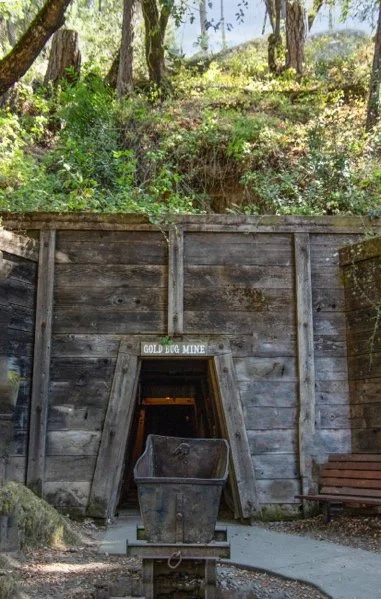
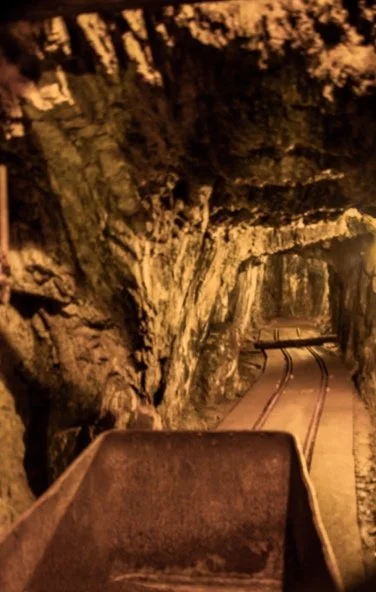
A hillside gold mine has no deep shaft but bores into the mountain horizontally making it easy to access. The Gold Bug is a self-guided tour I recommend taking just for fun.
I hope you will enjoy reading Jessie’s story of determination and her return home; how it takes her from a self-sufficient independent child to an outspoken strong-minded woman who learns to rein in her desires and commit to love.
Are you looking for Western Pride or for love?